More Than Passing the Time
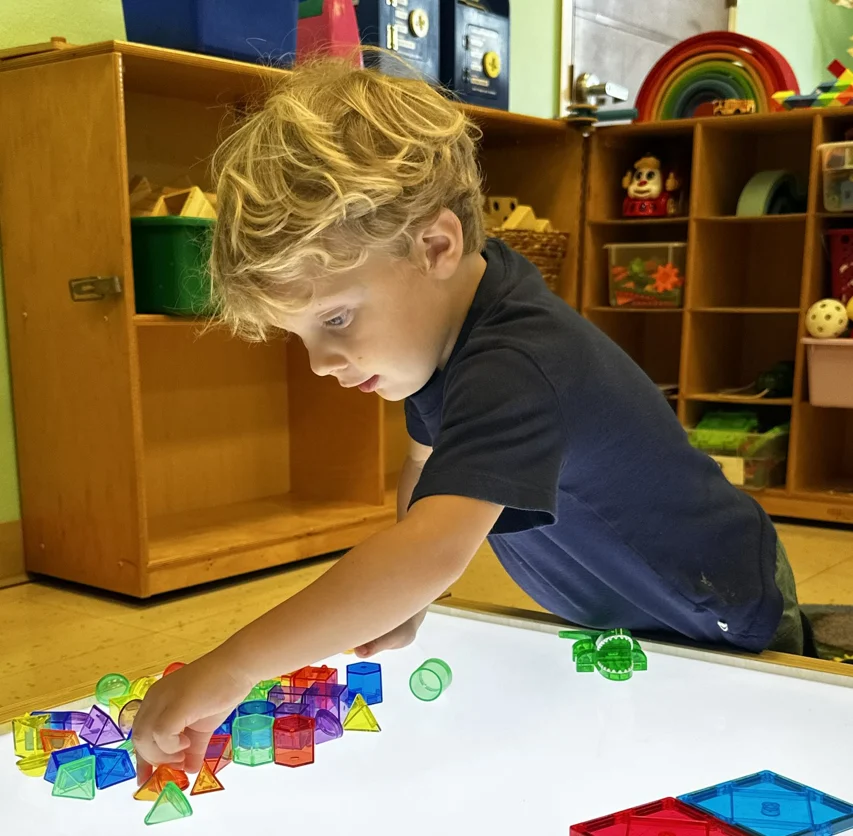
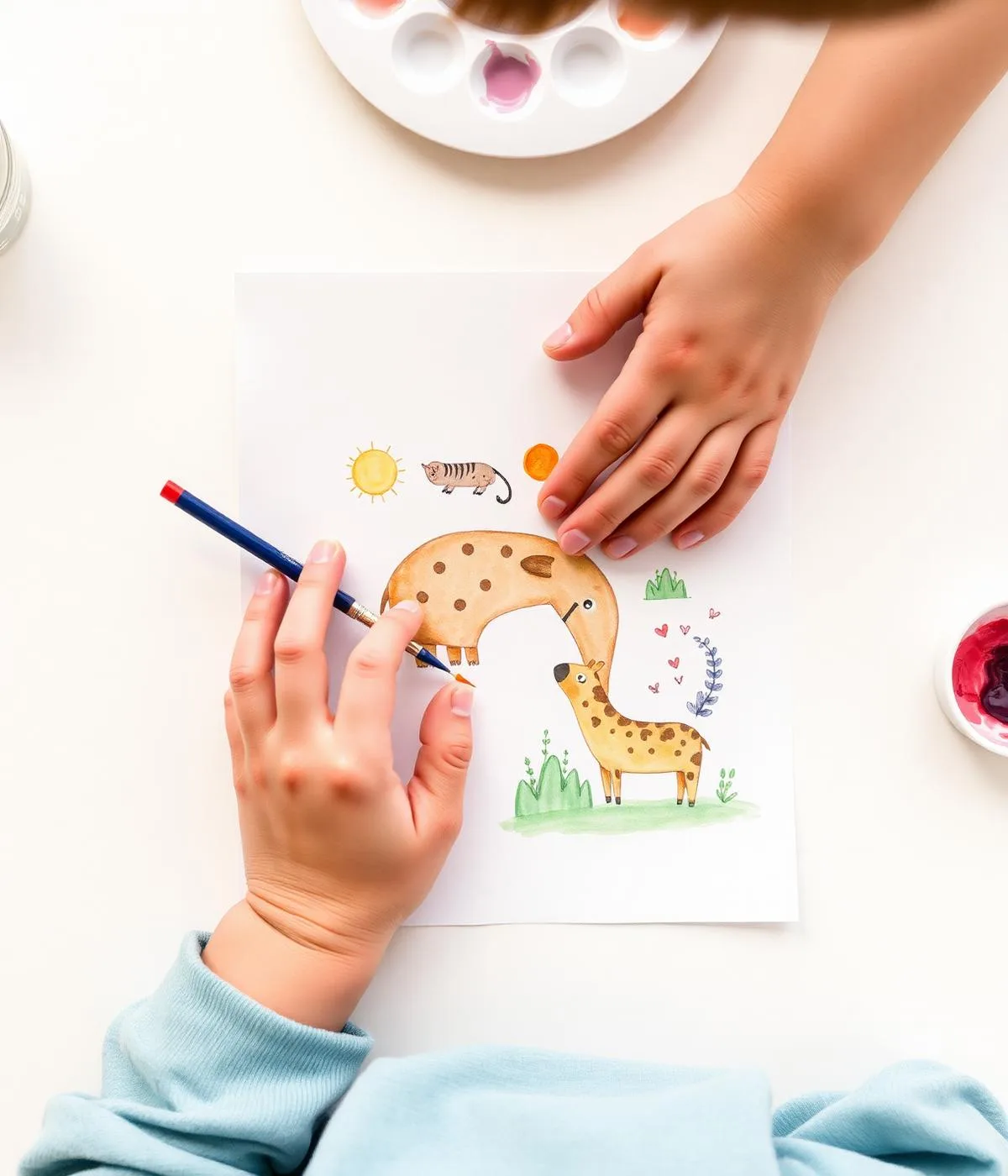
A child stretched out on the floor with a crayon can look like they're simply passing the time. So can a child building a tower that keeps falling over, or serving pretend soup to a stuffed bear. Pediatricians and researchers see something else. They see a child doing some of the most important work of early childhood.
That's the real importance of play in early childhood. Play isn't a break from learning. For young children, it's one of the main ways learning happens.
What Pediatricians Say About Play
In 2018, the American Academy of Pediatrics published a clinical report called The Power of Play, led by pediatrician Michael Yogman. In announcing the report, the AAP described play as "brain building" and a central part of healthy child development. The report connects play to executive function, the set of skills children use to plan, focus, remember directions, and manage their impulses. It also describes play as a buffer against the effects of stress.
The AAP went so far as to recommend that doctors "write a prescription for play." That's a strong statement from a medical organization, and it reflects decades of research.
An Old Idea With Deep Roots
None of this is new to early education. In 1837, Friedrich Froebel opened a school for young children in Blankenburg, Germany, and later renamed it the Kindergarten, or "children's garden." According to Britannica, Froebel saw play as essential to education and designed simple toys he called "gifts" so children could learn through it.
In 1989, the United Nations recognized play as a right of every child in Article 31 of the Convention on the Rights of the Child. The UN Committee on the Rights of the Child later published detailed guidance on what that right means for children's health and development.
What Play Builds
Different kinds of play build different skills, and they often overlap:
- Thinking and problem solving. Building, sorting, and figuring out why the tower fell are early lessons in cause and effect.
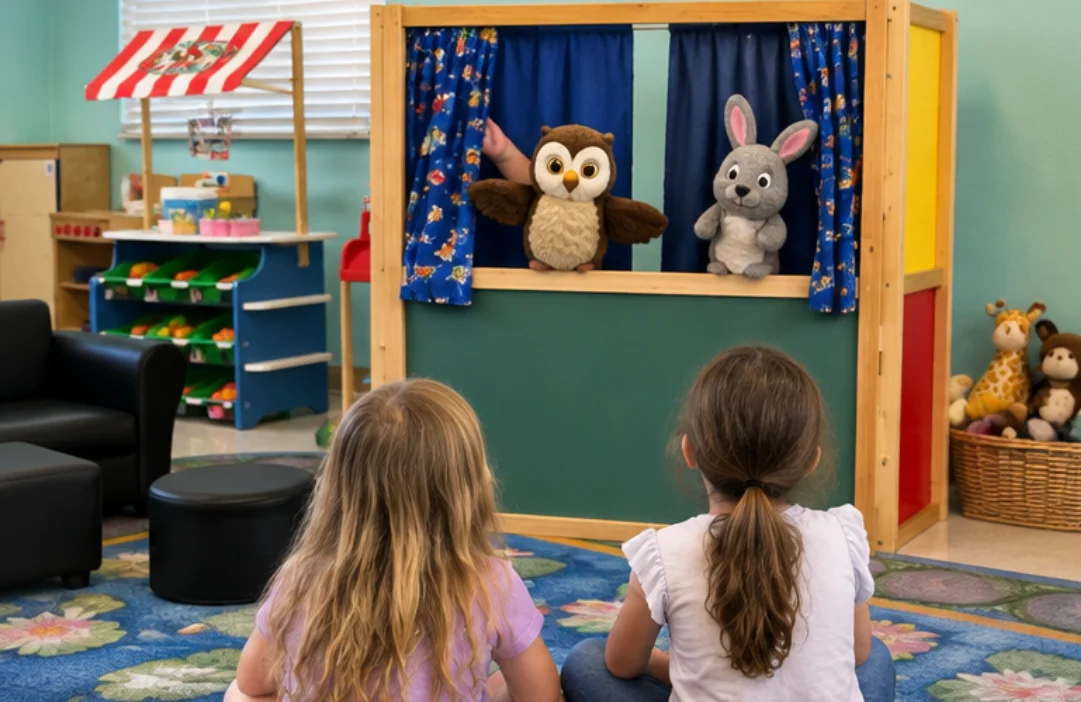
- Language. Pretend play is full of talk: making plans, assigning roles, and deciding what happens next.
- Social skills. Taking turns, sharing materials, and working out disagreements come up naturally.
- Self-control. Staying in a role and following the rules of a game take real restraint.
That last one surprises many parents. The psychologist Lev Vygotsky wrote that in play, a child behaves as though he were "a head taller" than himself. A classic experiment by Zinaida Manuilenko showed what he meant. When five-year-olds were simply asked to stand still, most couldn't hold it for long. When they pretended to be a guard on duty, they stood still far longer, nearly as long as seven-year-olds. Researchers Elena Bodrova and Deborah Leong point to this as evidence that make-believe play helps children practice self-regulation.
Blocks, Shapes, and Early Math
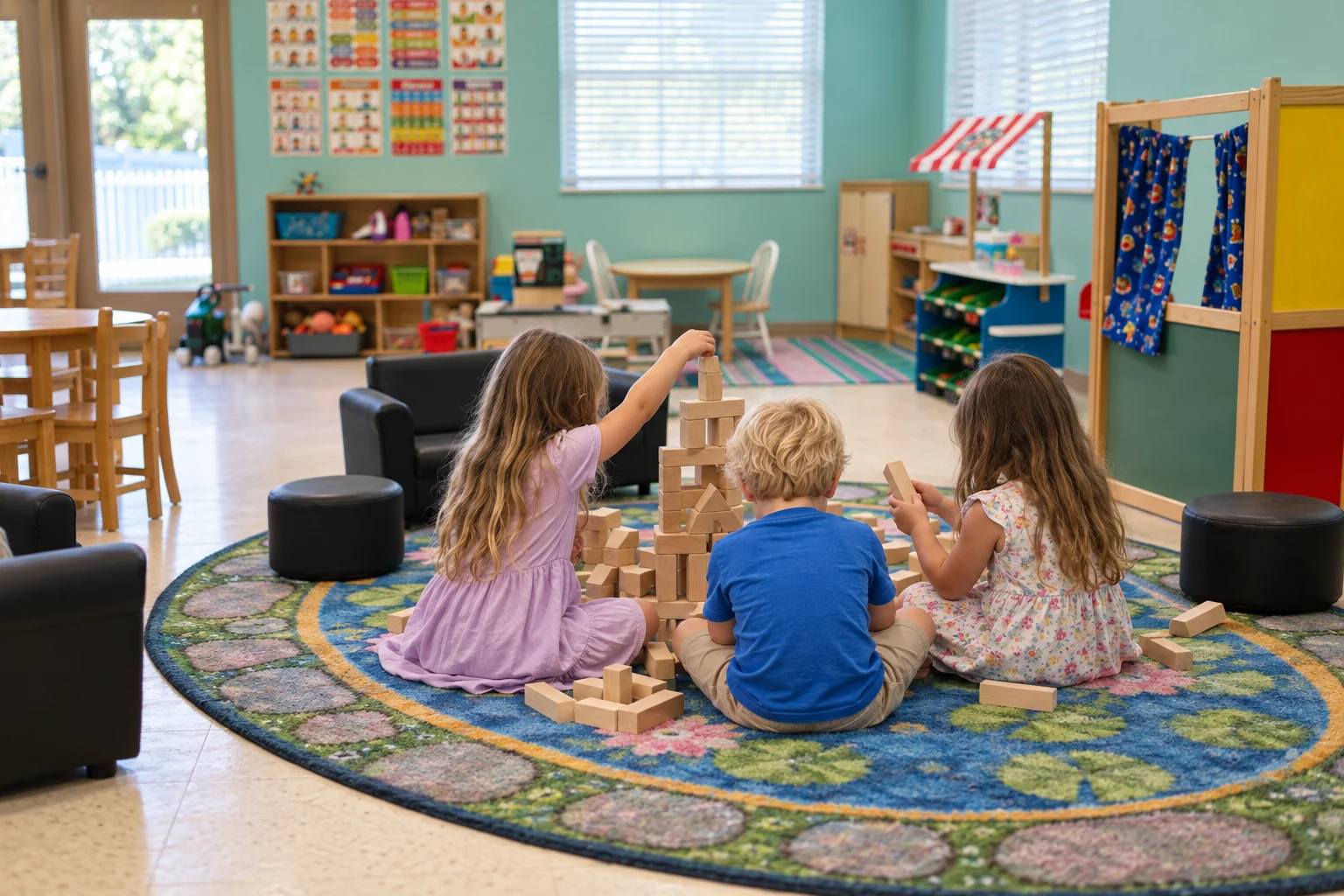
Some of the clearest evidence comes from math. A long-term study by Wolfgang, Stannard, and Jones followed a small group of children who had been observed playing with blocks at age four. The more complex their block play was in preschool, the better they tended to do in math in seventh grade and in high school, even after the researchers accounted for IQ and gender. The study was small, and it shows a link rather than proof that blocks caused the difference, but it's a striking pattern.
A 2013 study in Child Development by Kelly Fisher and colleagues compared three ways of teaching shapes to 4- and 5-year-olds: free play, direct instruction, and guided play. In guided play, an adult sets up the activity and asks questions, but the child leads. The guided play group came away with the best understanding of shapes, and they still had it a week later.
Why Free Play Still Matters
Guided play doesn't replace free play. Children also need time when nobody is directing them at all, when they decide what to build, how to fix it, and when to try again. The AAP urges families and schools to protect unstructured play, and it notes that children's playtime dropped by 25 percent between 1981 and 1997. That's worth keeping in mind as family schedules fill up.
Why the Floor Works So Well
Many young children choose to draw, read, or build while lying on their stomachs. It turns out that's a useful position. Propping up on the elbows works the shoulders and the muscles of the trunk, and pediatric therapists often suggest this tummy position as a playful way to build strength. Pediatric occupational therapists with NSW Health note that a stable shoulder helps children draw, write, and cut more accurately.
Simple Ways to Make Room for Play at Home
- Keep open-ended materials within reach: blocks, paper, crayons, cardboard boxes, and dress-up clothes.
- Leave some time each day with no plan and no screens.
- Join in now and then, and follow your child's lead. Ask "What happens next?" instead of steering the game.
- Let things go wrong. A fallen tower is a chance to try again, not a failure.
- Make space on the floor. Not every activity needs a table.
None of these cost much, and all of them line up with what the research says children need: time, simple materials, and room to explore.
Conclusion
It can be hard to watch a child play without wanting to turn it into a lesson. The research suggests we don't need to. When children build, pretend, draw, and explore, they're practicing focus, language, problem solving, and getting along with others, often all at once. Play is how young children make sense of their world, and protecting time for it is one of the simplest gifts we can give them.
Discover more about our curriculum and academy program.