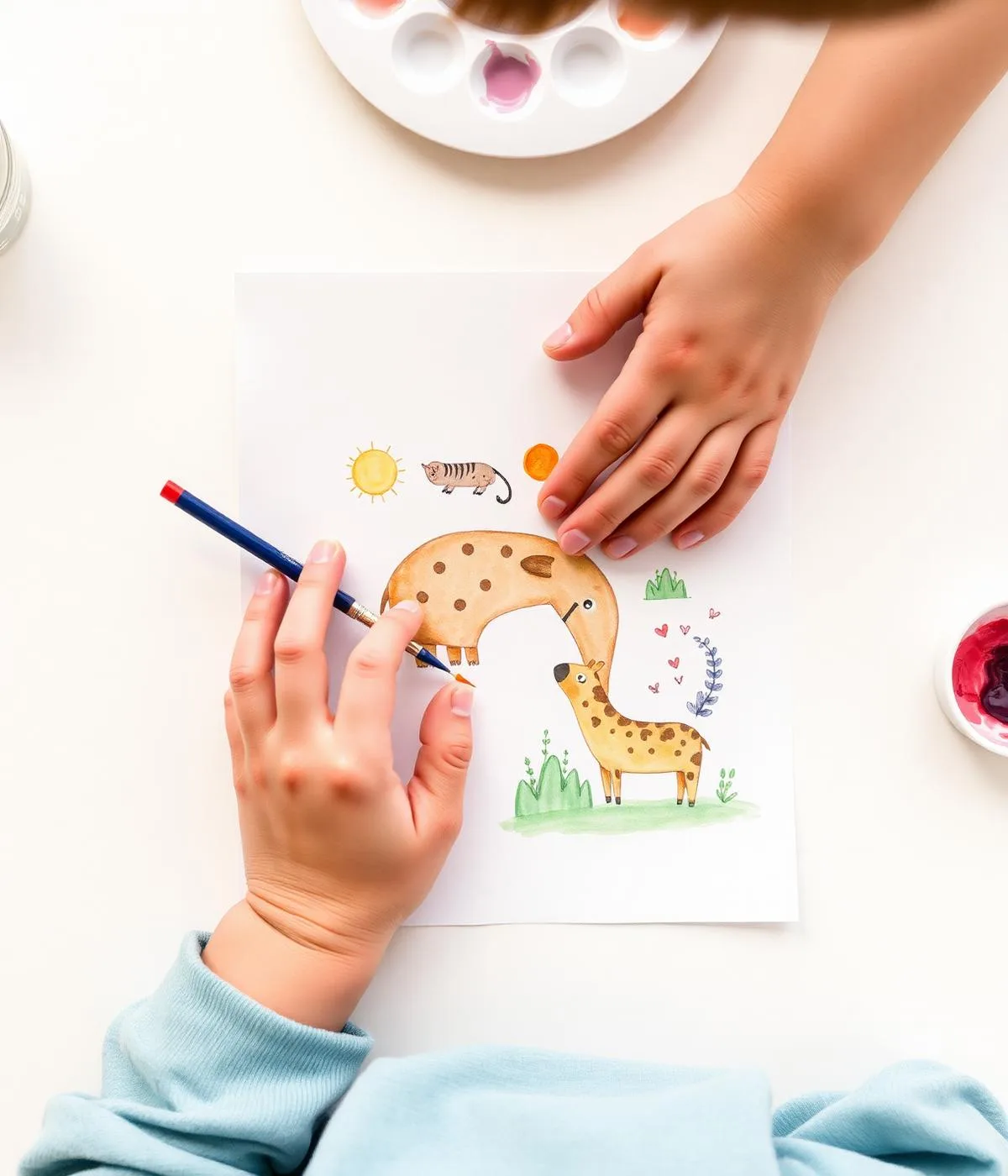


Why Kids Love the Fizz
Few things get a group of young children as excited as a tray of baking soda that suddenly starts to bubble. Pour in a little vinegar and the foam rises, crackles, and spills over the edges. Eyes go wide. Someone always asks to do it again.
The baking soda and vinegar experiment is a favorite in classrooms and kitchens for good reason. It's safe, inexpensive, and dramatic. It's also real chemistry, the kind children can see, hear, and even feel.
Meet the Two Ingredients
Baking soda is the everyday name for sodium bicarbonate, which chemists call a base. Vinegar is mostly water with acetic acid mixed in. FDA guidance says vinegar should contain at least 4 grams of acetic acid per 100 milliliters, and many bottles at the grocery store are labeled 5 percent acidity.
Acids and bases are chemical opposites in many ways. When they meet, they react.
What Happens When They Mix
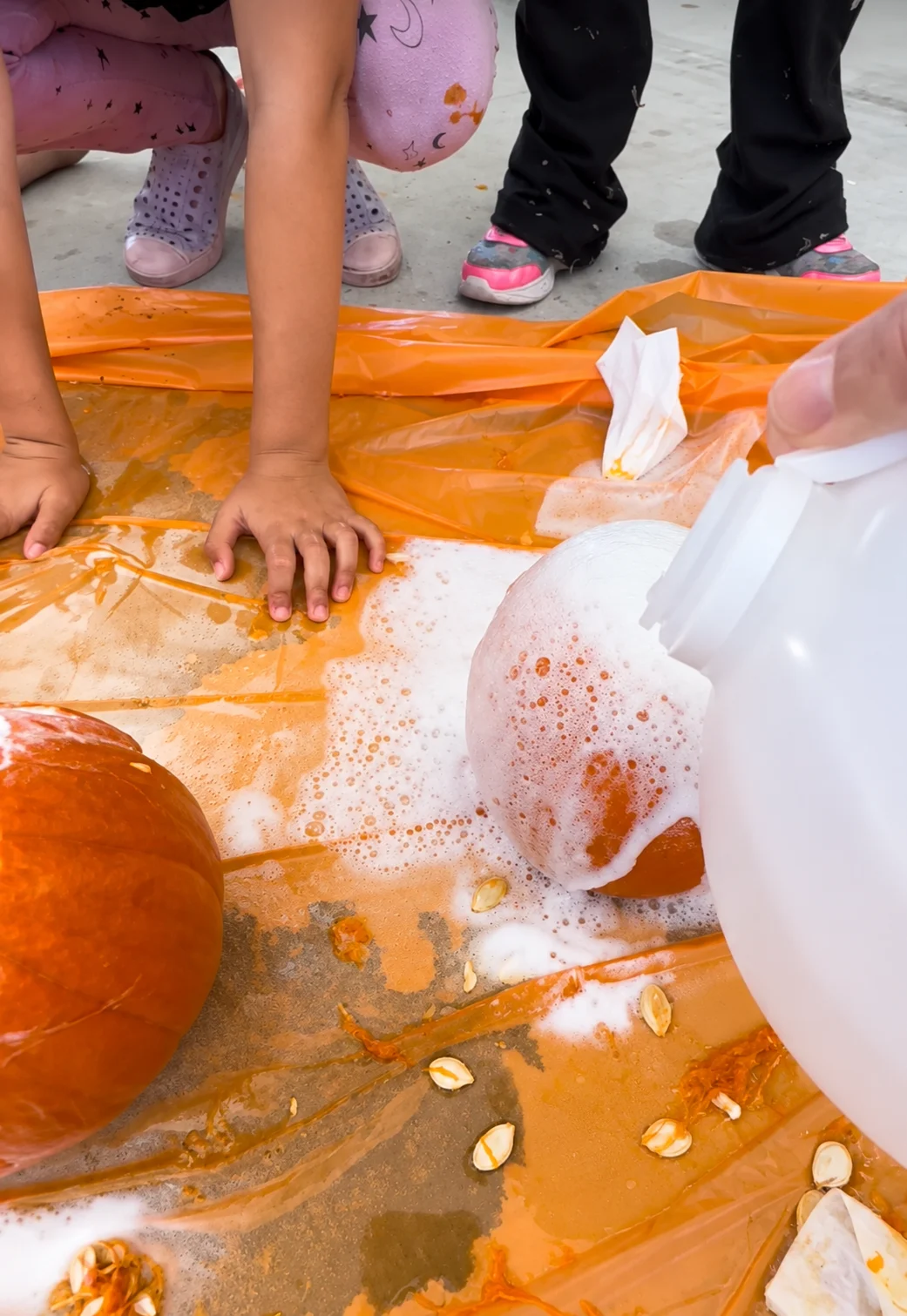
When vinegar meets baking soda, the acid and the base react and form new substances. According to the American Chemical Society, those new substances are water, a salt called sodium acetate, and carbon dioxide gas. Written out in words, it looks like this:
baking soda + vinegar → sodium acetate + water + carbon dioxide
The bubbles children see are that carbon dioxide escaping from the liquid. The reaction is fast, which is why the fizz is so dramatic at first and then fades. Once one of the ingredients is used up, the reaction stops. If there's still baking soda left in the tray, a little more vinegar starts it all over again, and that's a wonderful thing for children to figure out on their own.
A Surprise: It Gets Colder
Here's something many adults don't know. If you hold the cup while the mixture fizzes, it feels a little cooler. Chemist Fred Senese of Frostburg State University explains that the escaping carbon dioxide and evaporation carry away more heat than the reaction itself gives off, so the mixture cools overall. Children can feel the change with their hands or measure it with a simple thermometer.
The Same Bubbles That Make Pancakes Rise
This reaction isn't only for science projects. It happens in the kitchen all the time. As NC State University explains, baking soda reacts with acidic ingredients like buttermilk, yogurt, or vinegar to release carbon dioxide, and those trapped bubbles make batter rise. Bakers call it chemical leavening. The next time you make buttermilk pancakes, the same kind of reaction is at work in the mixing bowl.
Turning Fizz Into Real Science
What makes this experiment so valuable isn't just the bubbles. It's the questions. The National Science Teaching Association's position statement on early childhood science says that all children have the "capacity and propensity to observe, explore, and discover the world around them." A fizzing tray gives them a chance to do exactly that.
Older students study the same idea more formally. One of the Next Generation Science Standards for fifth grade asks students to "conduct an investigation to determine whether the mixing of two or more substances results in new substances." Baking soda and vinegar is one of the easiest ways to watch it happen.
A few questions to explore together:
- What do you think will happen when we add the vinegar?
- What happens if we use more baking soda? What about less?
- Does warm vinegar fizz differently than cold vinegar?
- Where do the bubbles go?
- Can we catch the gas? Stretch a balloon over the mouth of a bottle and watch what happens.
The American Chemical Society has a version called More Than Hot Air that adds red cabbage juice, a natural color indicator. The juice turns pink when the vinegar goes in, then shifts toward purple and blue as the reaction finishes. It's a beautiful way to show children that something new really did form.
A Few Safety Notes
The ingredients are common, but a little care goes a long way:
- Work outside or on a tray, where spills are easy to clean up.
- Keep vinegar away from eyes, and rinse with water if it splashes. Safety glasses also make it feel like a real lab.
- Never seal the mixture in a closed jar or bottle with a lid. The gas needs somewhere to go.
- Stay close and supervise young children the whole time.
Conclusion
A tray of fizzing baking soda looks like simple fun, and it is. It's also one of a child's first looks at how the world works: two ordinary things meet, something new appears, and a question follows. Why did it bubble? What if we try it again? Those questions are where science begins, and children start asking them long before they ever open a textbook.
Discover more about our curriculum and academy program.